

















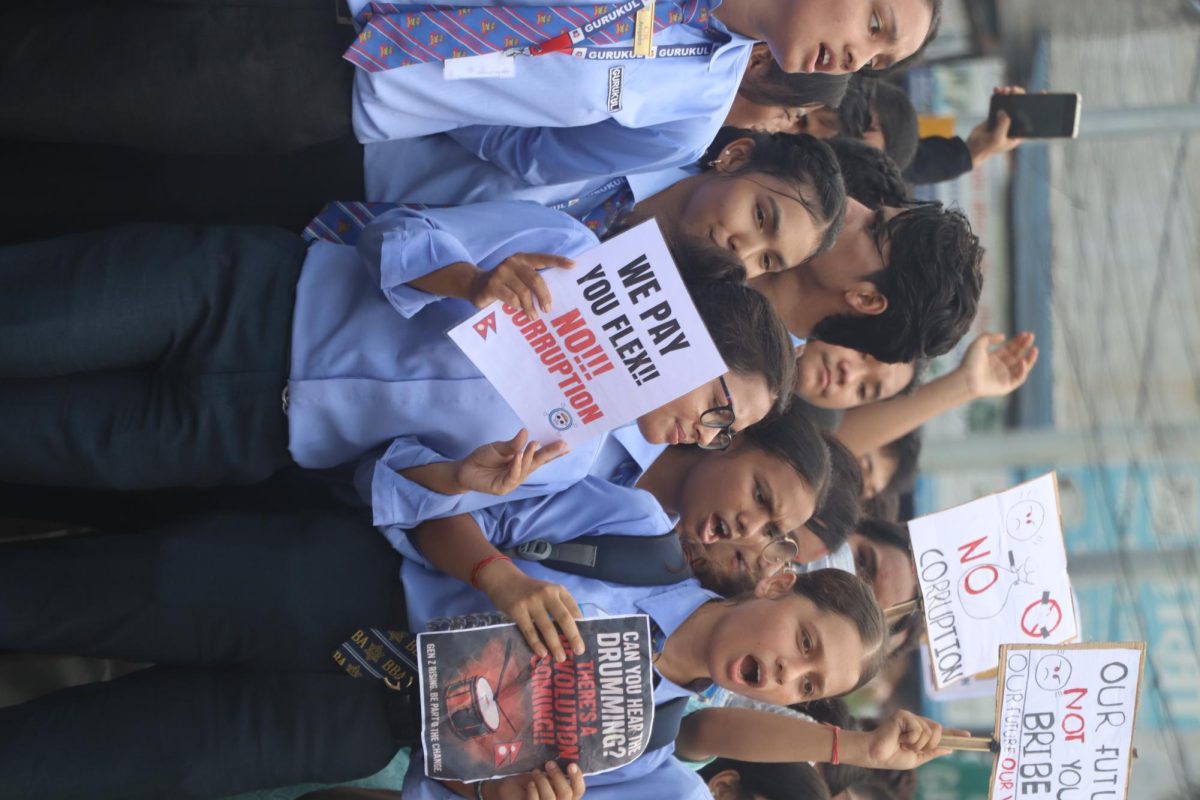
On September 9 2025,protesters burned down Nepal’s parliament building . Thousands of young Gen-Z took to the streets of Kathmandu, joining together to fight for their future. The outrage was a reaction to the death of 17 protesters who died in another protest the day before.
The protest began when the country banned many of its social media including Facebook, Instagram, Tiktok, and X. They claimed it was due to the increased social media criticism toward Nepal’s political leaders. Gen-Z citizens have grown angry at politicians and children showing off their riches, naming them “Nepo babies” who flaunt their wealth while the rest of the country’s population struggle angered the Gen-Z population.
But Nepal’s citizens treated the social media ban as an attack to their democracy. So instead of settling any unrest and anger, it fanned the flames of rebellion. Citizens felt that their free speech was trampled because people in power couldn’t handle criticism. “The internet is our only platform to speak up,” said 19-year old college student Puja Maharjan. “If they take that away, what’s next? The press? Our right to assemble?”
In only a few hours, protesters gathered in Kathamadu. “We want our voices back,”they chanted, and their message quickly spread across the country like wildfire .
Citizens quickly organized themselves with the few social media platforms remaining, particularly via Discord. Using that app, the protests found a 22 year-old leader in Sushimita Karki. Instead of working with concerned citizens towards a peaceful compromise, government authorities responded with blockades and increased internet shutdown.
Prime Minister Pushpa Dahal said the social media restrictions were necessary, saying that social media was being “misused by groups spreading hate speech, foreign propaganda, and anti national content.” He claimed that the ban was a “necessary safeguard.”
The protest reminded Nepalese citizens about a similar movement back in 2006, that ended the monarch’s rule in the country. “Back then, we fought to be heard in the streets, now we’re fighting to be heard online,” stated human rights activist Rajan Thapa.
The protests in Nepal are similar to other ones in many other countries fighting for better rights and a better future.Their message is clear: You can turn off the apps, but you can’t turn off people. Nepalese protests serve as an important reminder for people in all countries, and it further shows the political power that young citizens have. When organized, in person or online, we can create real change.