





















There are many people who worry that the development and use of AI will lead to an energy crisis or worse, the collapse of the energy grid. If such technology will lead to a collapse, it calls into question whether we should be using ChatGPT or other options.
We can start to consider things by determining how much energy a ChatGPT prompt generates. Sam Altman, the CEO of OpenAI, has provided those numbers for users to consider. According to a report by the company, on average, a single AI-generated prompt takes 0.34 watt hours of energy. On the more efficient side, Google’s Gemini takes 0.24 watt hours of energy. Working from those numbers allows us to reach the simple conclusion: an average AI prompt takes 0.3 watt hours of energy.
Let’s put those numbers into perspective for a clearer perspective. Imagine an average microwave: one second of a microwave running is equivalent to a single AI generated prompt. Compared to a light bulb, a single AI prompt is equivalent to it running for 18 seconds. So, AI usage like ChatGPT prompts is not a threat to take down the entire energy grid. But still, we should be more considerate with our energy usage overall. AI, like our other electronic resources, should be used responsibly.
But the upfront cost is only one part of the story. What if we take into account the amount of energy you need to train AI chatbots? Again, Google says that 60% of energy usage goes to answering your questions. The rest goes to AI training. Still, AI’s energy use is a negligible part of your daily energy usage.
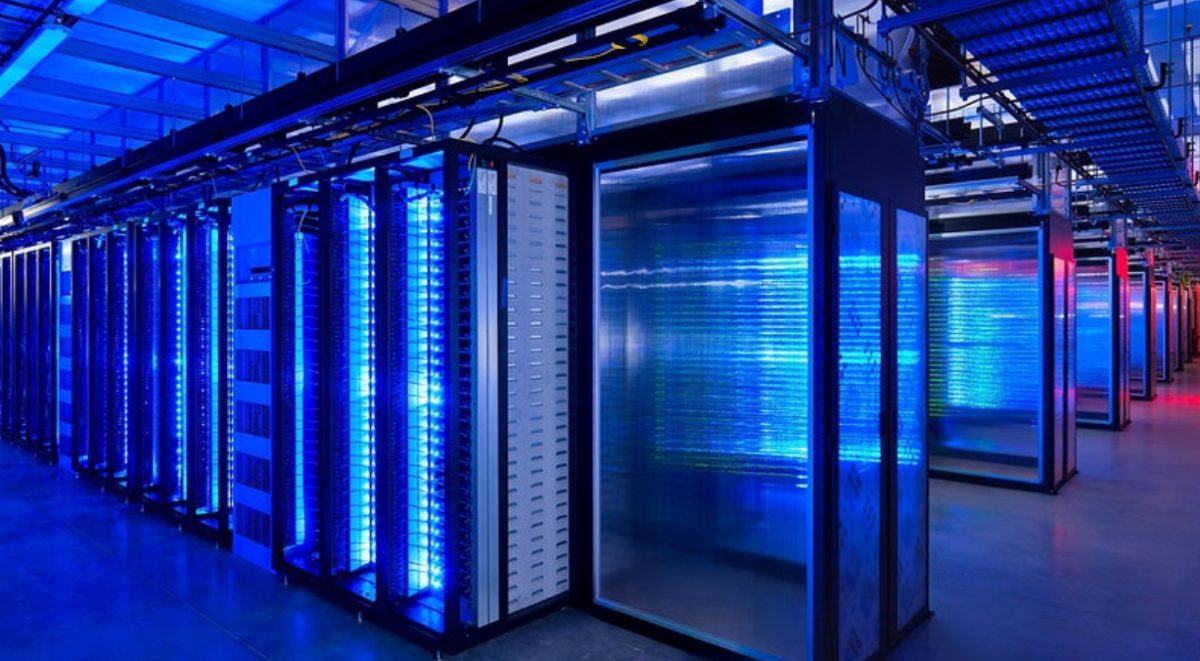
On an individual scale, AI is negligible. But what about the total impact of the technology? In the U.S. alone, AI takes up 4.4% of the energy according to the MIT Technology Review. The Lawrence Berkeley Laboratory says that by 2028, AI alone could consume as much electricity annually as 22% of all U.S. households. However, that energy isn’t clean. The carbon intensity of electricity used by data centers was 48% higher than the US average.

So why are communities protesting against AI? Power systems work in complex ways. When a new AI data center comes into town, energy companies need to invest in more infrastructure. But instead of that cost coming to the data center who needed that energy, the cost is spread between the people living in the neighborhood. That increases the energy bill for everybody living by the data center. In addition to the increasingly outsized carbon footprint of AI, the cost of the community is something that we should monitor.